
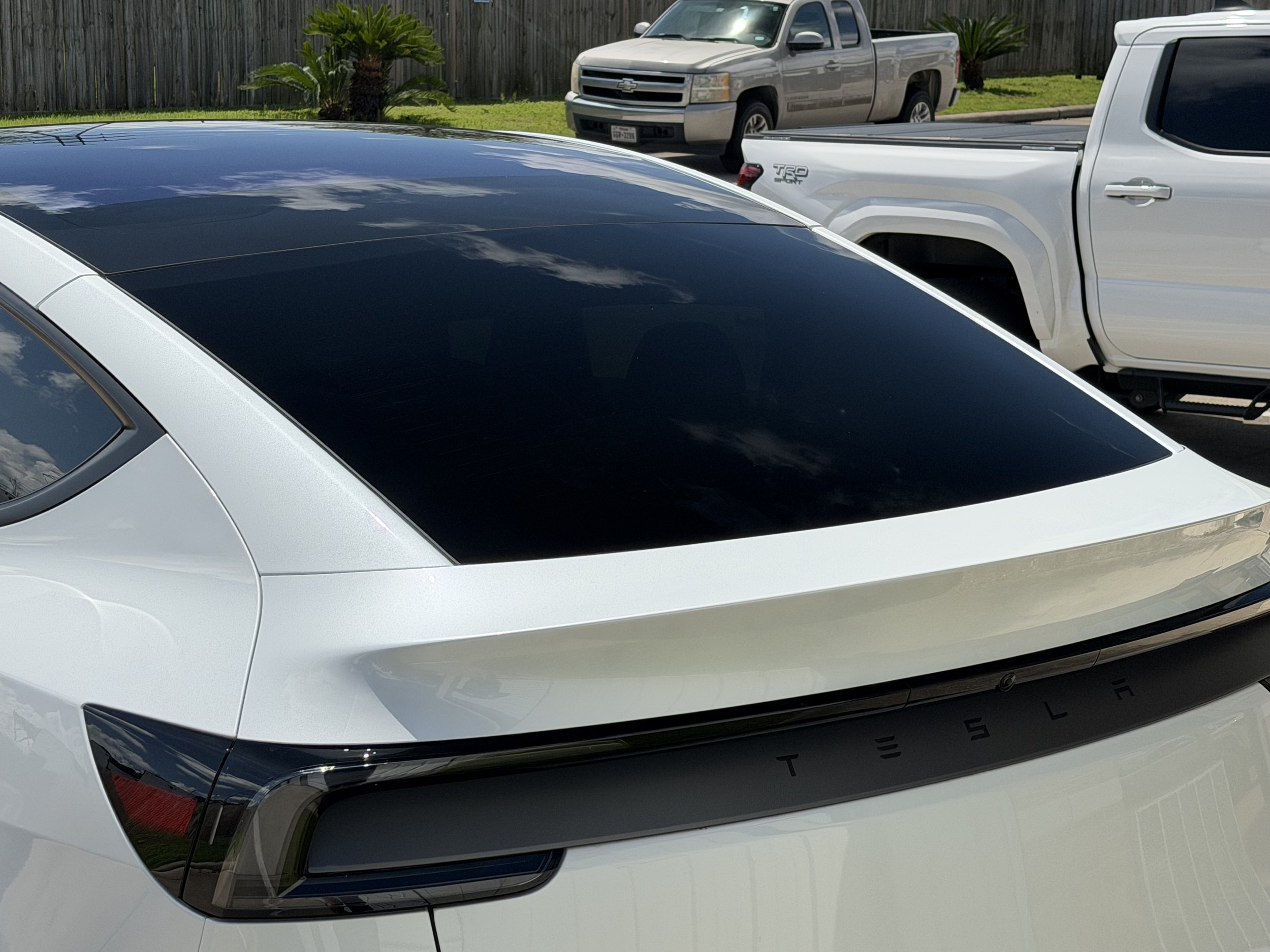
Tesla Window Tint
Comfort. Protection. Precision.
Tesla vehicles are designed with expansive glass and a clean, modern interior—but that also means increased heat, glare, and UV exposure.
At Apex Motor Trends, our premium window tint solutions are tailored specifically for Tesla, delivering superior heat rejection, interior protection, and a refined finish that matches the vehicle’s design.
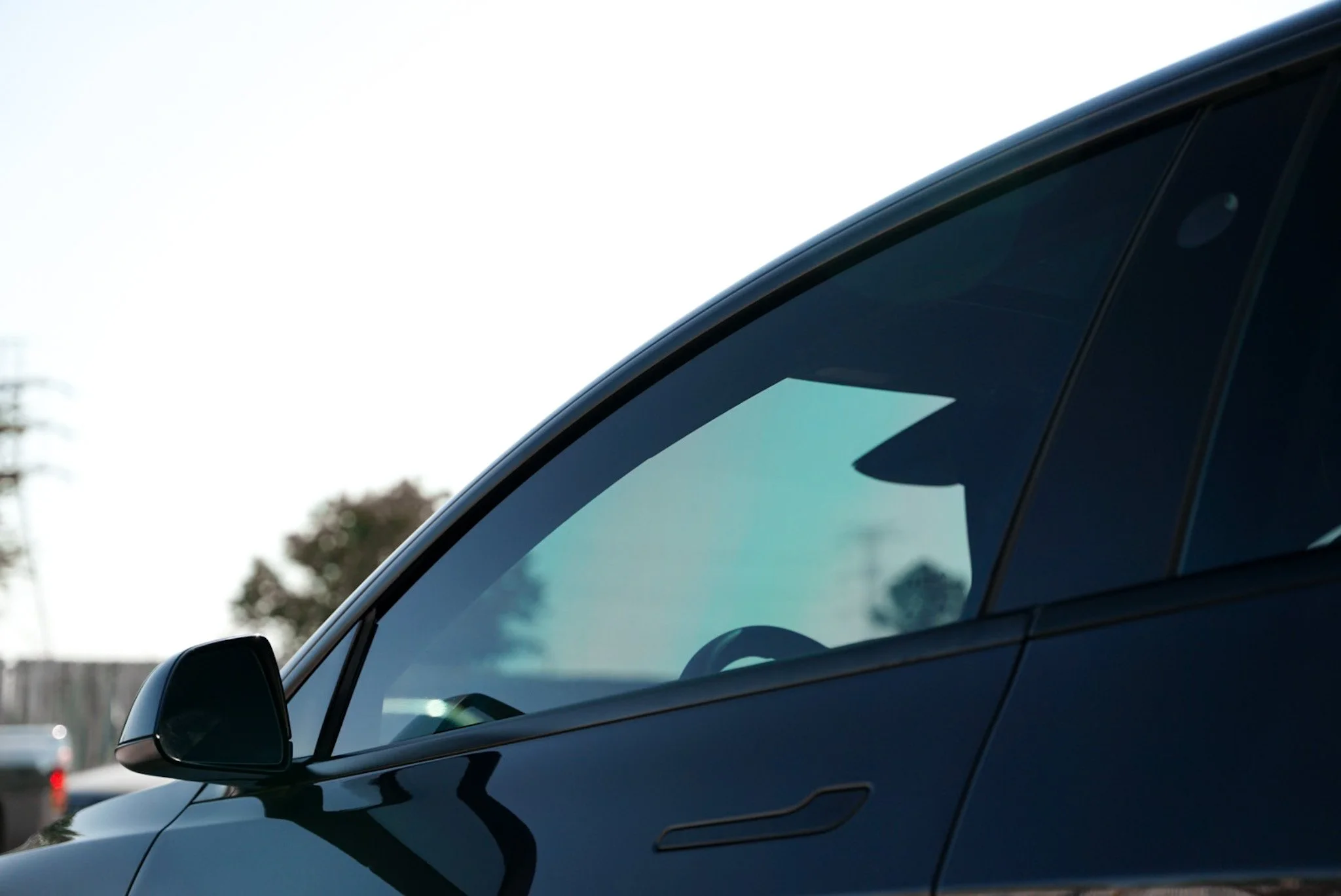
Prime XR Plus
The Skin Cancer Foundation recommends PRIME XR PLUS ™ Window Tint as an effective UV protectant.
-
Our multilayer nano-ceramic particle technology blocks up to 98% of the infrared heat.
-
PRIME XR PLUS provides SPF 1,000 protection that effectively blocks over 99% of harmful UV rays that can lead to numerous skin cancers, premature aging and skin cell damage.
-
Contains a proprietary blend of ceramic particles to act as a solid barrier to infrared heat
-
In the past, keeping cool meant choosing a darker shade of tint. The multi-layer nano construction in PRIME XR PLUS provides ultra-high performance without reducing outbound visibility. So no matter what shade of tint you choose you will get the same phenomenal performance
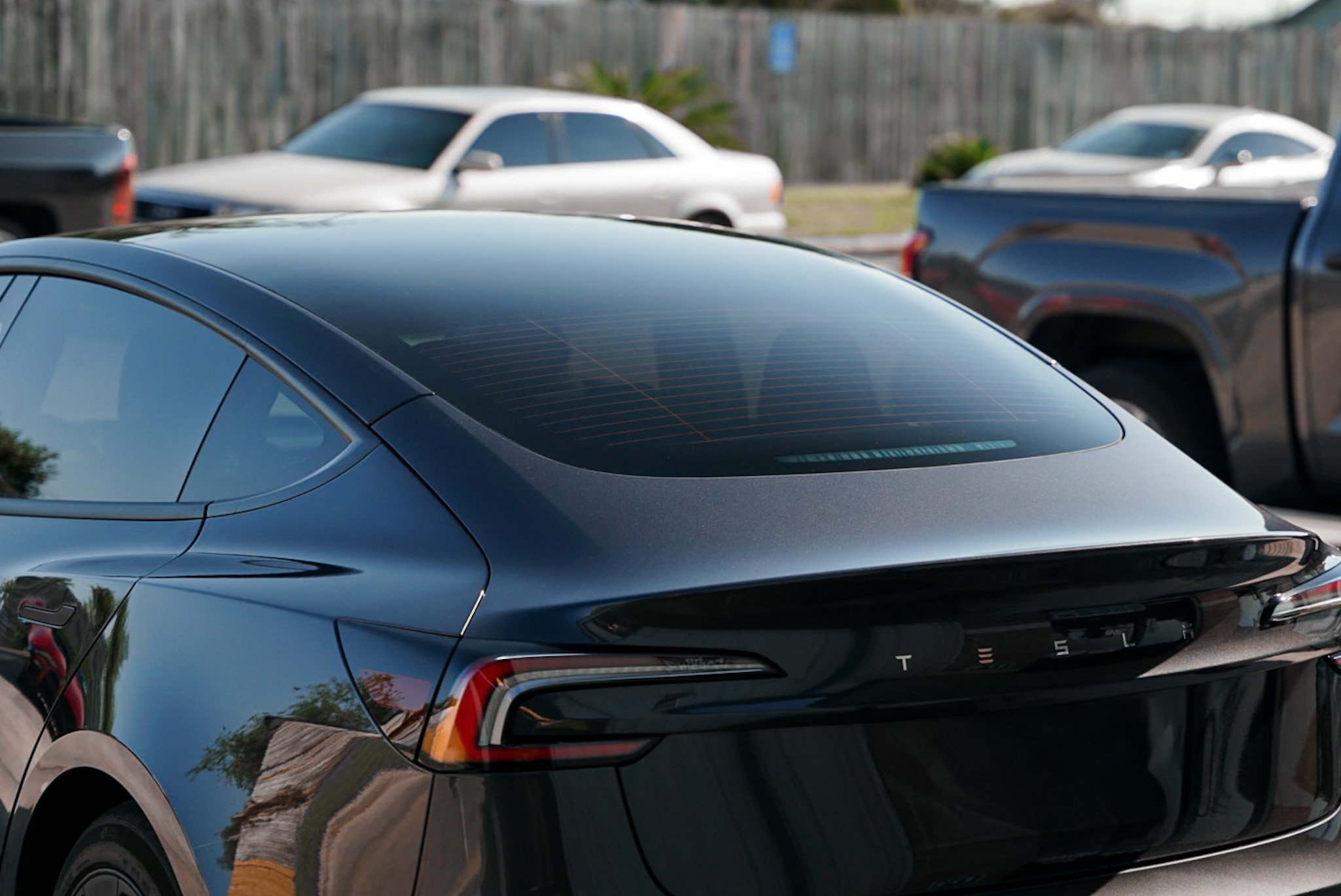
PRIME XR
The Skin Cancer Foundation recommends PRIME XR Window Tint as an effective UV protectant.
-
Our ceramic particle technology blocks the vast majority (Up to 85%) of the sun's heat-causing infrared radiation — keeping your interior cool and improving fuel efficiency.
-
PRIME XR PLUS provides SPF 1,000 protection that effectively blocks over 99% of harmful UV rays that can lead to numerous skin cancers, premature aging and skin cell damage.
-
Contains a proprietary blend of ceramic particles to act as a solid barrier to infrared heat.
-
In the past, keeping cool meant choosing a darker shade of tint. The multi-layer nano construction in PRIME XR PLUS provides ultra-high performance without reducing outbound visibility.
Frequently Asked Questions
-
Ceramic Tint is fundamentally designed differently than standard tint that has been around since the mid 1900s. The first real window tint was invented in 1966. Window tint film started out as "dye based" which didn't have good control of the heat within the car interior allowing the car temperature to quickly rise when the vehicle wasn’t on and didn't respond well to the sun's heat, creating bubbles and easily pealing off of the car window. Because of this heat problem Ceramic Tint was developed primarily for heat rejection.
-
We get this question all the time. And we want to tackle and dispel a major myth here. Standard tint does NOT reject heat. While the vehicle is running it does block some. However when the vehicle is not running the tint actually absorbs heat into the interior. It’s fundamental science. Darker objects absorb more heat than lighter objects. The same works for tint. HOWEVER, Ceramic Tint rejects most of the IR Spectrum which is what generates heat in the interior when your vehicle is not running. So if you want to have your vehicle cooler when you get into it then Ceramic Tint is the way to go.
-
Several things, Primarily the amount of IR Rejection, but we can cover a few of the differences with data here:
XR Plus
Infrared Rejection 98%
Total Solar Energy Transmitted 4%
Total Solar Energy Reflected 6%
Total Solar Energy Absorbed 90%
Total Solar Energy Rejected 71%
XR
Infrared Rejection 85%
Total Solar Energy Transmitted 11%
Total Solar Energy Reflected 6%
Total Solar Energy Absorbed 83%
Total Solar Energy Rejected 66%
So based on this data you can see we are primarily dealing with heat rejection in terms of difference. What does this mean in the real world? Simple, both are great. You are comparing best to better.
-
This is another common misconception. UV protection/rejection and IR protection/rejection are two very different things. IR rays generate heat vs UV rays cause harmful effects to surfaces such as skin or leather. If you see or hear an installer touting UV rejection as heat rejection this is NOT the case.
-
YES! All Xpel Ceramic Tints offer a lifetime warranty. This warranty covers any issues due to installer error or defects with the film itself. This includes but is not limited to: Bubbling, peeling, fading, issues with the install such as an abundance of dust under the film, etc…
Still have questions? Take a look at the FAQ or reach out anytime. If you’re feeling ready, go ahead and apply.